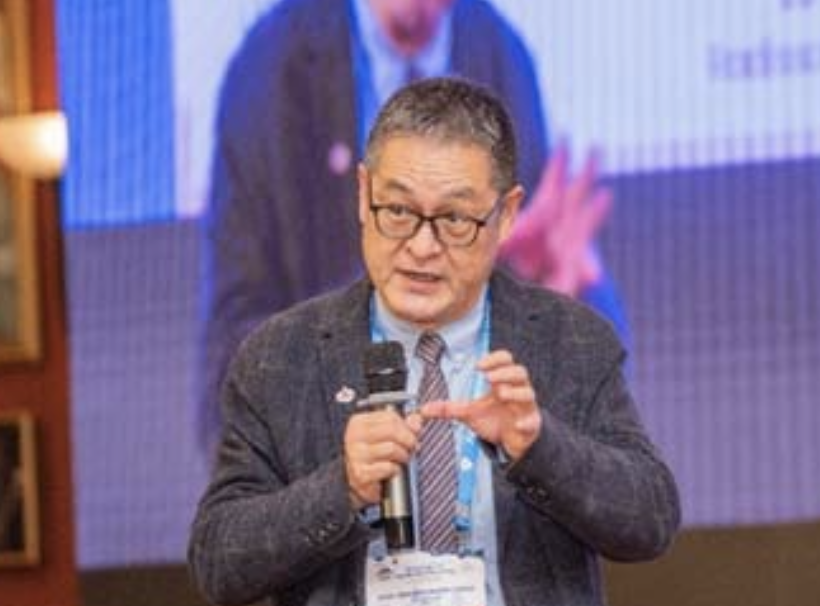
TDr. Mandip Subedi (Nepal Geotechnical Society) detailed Nepal’s unique challenges with earthquakes, glacial lake outburst floods (GLOFs), and monsoon-triggered landslides. He stressed the importance of hazard mapping, community-based disaster risk management, and robust institutional frameworks for effective mitigation. Engr. Amjad Agha (Pakistan Geotechnical Engineering Society) addressed the compounded impact of climate change on Pakistan’s geohazards, including urban flooding, glacial melt, and extreme weather. He outlined key mitigation measures such as reforestation, enhanced water management, and investments in renewable energy to strengthen resilience. Eng. K L S Sahabandu (Sri Lankan Geotechnical Society) focused on the high prevalence of landslides, which affect nearly 20% of the country’s land area. He emphasized the role of Sri Lanka’s National Building Research Organization (NBRO) in implementing landslide hazard zonation, early warning systems, and community engagement to mitigate risks.
The session included a vibrant open floor discussion, where participants explored critical topics such as population pressures in hazard-prone areas, the integration of AI and GIS technologies in hazard management, and opportunities for collaboration among ISSMGE Technical Committees (TCs) and Asian Regional TCs (ARTCs) to address emerging geohazard challenges. The discussion also examined the potential for HTC and initiatives like Geo-Engineers without Borders (GeoWB) to champion collaborative efforts in mitigating geohazards. This interactive exchange underscored the importance of sharing best practices, fostering regional and international collaboration, and addressing the urgent need for capacity building in geohazard preparedness.
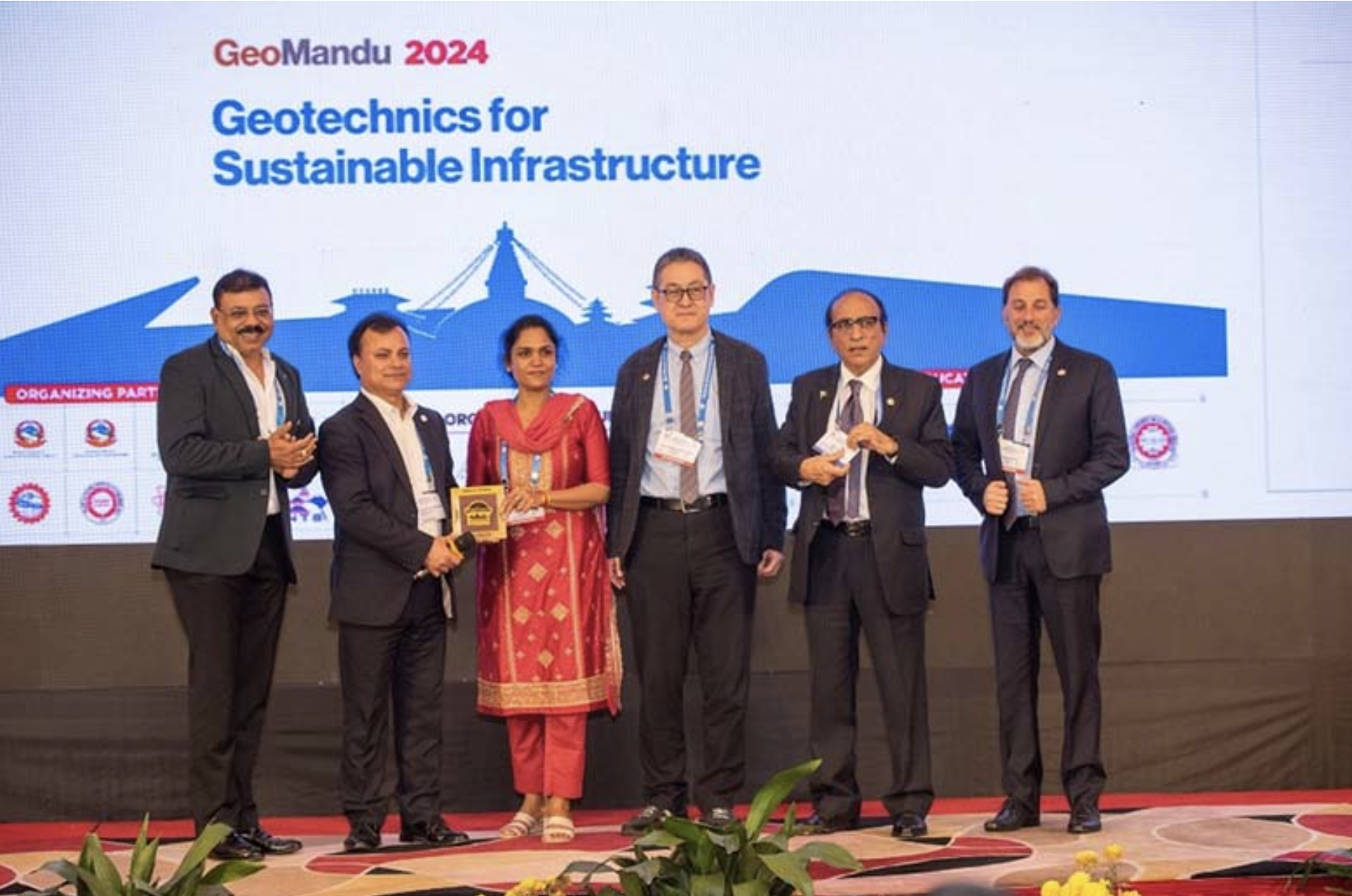
The ISSMGE HTC session on geohazards in the Asian region was a landmark event, shedding light on the evolving risks and challenges posed by natural hazards. It raised critical questions: Are geohazards an area of sufficient concern to drive collaboration among Asian member societies? How can HTC and GeoWB foster such collaboration? The session also highlighted the vital role of ISSMGE TCs and ARTCs in facilitating knowledge sharing and fostering cross-border partnerships to address shared risks.
By reflecting on past experiences, sharing current practices, and envisioning a resilient future, the session underscored the power of collective efforts in building safer and more sustainable communities. It called on the global geotechnical community to innovate, collaborate, and act decisively to mitigate the mounting risks of geohazards in Asia and beyond.
Subscribe today and get the latest notifications on the GeoMandu 2027 Conference.
Subscribe here